


If you’re a writer, artist, or content creator, you want your work to be seen and appreciated. If you’re an advertiser, you want your business to thrive. If you’re a journalist, you want your stories to reach a viewership. Whatever you’re putting out there, you want it to get attention.
Getting seen and noticed is competitive though in today’s crowded online landscape, and presentation, while important, often isn’t enough. For anyone seeking to maximize their content’s visibility, search engine optimization or SEO is an essential skill, blogger to business owner alike.
So, how does it work, and what do I have to do?
“Search engines look at pages and try to determine how relevant they are for a particular search term,” Sam continues. “They store this information in their index and use it to serve up search results to people. SEO is all about understanding how the ranking algorithm works and crafting your page to get the best possible ranking.”
As Sam points out however, search engines are often smarter than we think.
“They look at things like headings and keywords to try to work out how relevant they are to each other and how they relate to the content on your page. It tries as much as possible to act like a human reading your site. If your site is about Australian Frogs, for example, then make sure you have clear headings, and make sure the information actually relates to the subject. Basically, make sure it’s easy for a human to read, which will help the search engine to index it more easily.”
So, at this stage you might be thinking that the algorithm is like an extra audience member to consider.
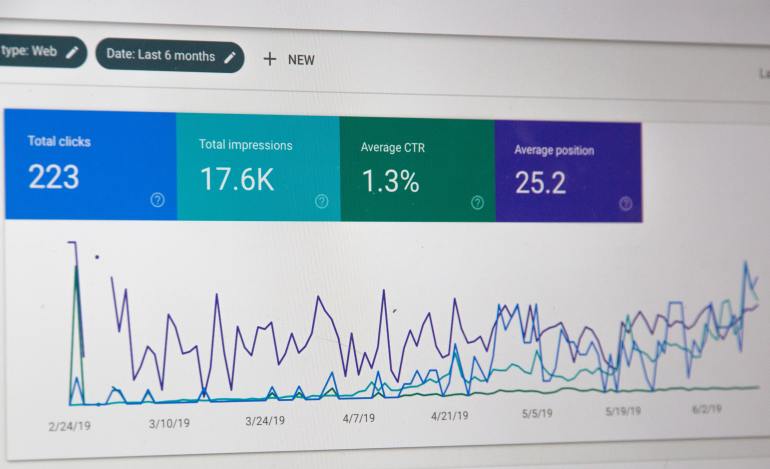
“Backlinks are links that other sites provide to your site,” Sam states. “These are vital. Your site will ‘inherit’ some of the authority from sites that link to you. If a large museum’s page on frogs links to you, then you’ll get some of that authority. The more backlinks, the higher you’ll rank.”
“But the search engine will also look at how closely the subject of your page is associated with the page linking to you. The better it fits, the more authority you’ll inherit. Obviously, links from better ranked sites will be stronger. A link for the National Geographic page on frogs is better than one from the local kindergarten’s frog page. This is why people write ‘guest posts’ on popular forums. The Author’s details will usually be linked to their own site for that sweet domain authority inheritance. Keep in mind that this doesn’t work the other way around. Your frog page will gain nothing by linking to the museum’s frog page.”
Much of this is backed-up by business.gov.au’s recommendations. Refreshing is also key here, as is continually contributing new additions to your page.
So important is SEO, that certain roles specifically cater to it. Gena Goodwin, who works in PR and marketing, with a distinct focus on crafting an online presence for client companies.
“I’ve learned how important SEO is,” she says. “Everyone has a voice, and more and more people a creating new content every day. If you want to stand out and reach an audience, your content needs to be optimized. The online world is unlike any other media landscape, and to get it right, you need to work within its boundaries. SEO can help businesses, as well as individual content creators. Optimizing your website encourages more traffic and visibility.
In terms of specifics, Gena cites blogs as an example.

“There’re a few things you’ll need. A minimum word count for starters (usually Google won’t pick up anything under 300 words). Specific content and a target audience is also important. You should include an SEO headline and key phrases (relevant to common audience searches). Ubersuggest is a good free tool to find out what your audience are Googling, Hemingway can help with readability (also free), and Yoast is a good free SEO tool.”
Search Engine Watch also points to speed and cross-device compatibility as areas of importance. Meta descriptions are also key, especially with the importance of keywords.
Still, despite how important SEO is, it can still slip under many people’s radars.
“SEO isn’t all that interesting to me,” states computer science student Mukesh Rathi. “I see it as a side of the internet that most people don’t often need to understand. Sure, it does allow us to be more informed by making relevant information easier to find. With some of the coding I do, SEO tools often tie into algorithm utilization.”
“Mistakes I often see people make with SEO often include making things too broad, vague, or not using enough key words. This will limit the number of searches a website gets. Another mistake is not being broad enough. Simply searching ‘computer’ is too broad, but searching ‘i9 10900k 32gb Ddr4 4200mhz rtx3090 founder’s edition rgb computer’ is too specific. You’d ideally want to search something like ‘rgb gaming computer’.”
“You want to create an SEO heading and key phrase,” continues Gena. “Make sure your key phrase is included in the title and throughout the copy. It can be awkward writing for online because Goggle doesn’t always read as we speak, so working in key phrases can sound clunky. If my phrase is ‘Newcastle marketing’, my sentence ‘for Newcastle’s best marketing, contact us,’ wouldn’t count. I’d need to reword it to ‘contact us to learn more about how we are leading the way in Newcastle marketing’.”
“Getting my head around reworking content to fit keywords was difficult,” she adds. “I’ve since grown used to it, and I feel my writing has improved my results. It’s definitely worth learning more about SEO if you trying to reach an online audience. Sure, it’s trick at first, but once you learn, it’s like second nature.”
“HubSpot Academy offers free courses on marketing writing, and SEO. LinkedIn Learning offer a number of tools you can check out. Once you’ve done a little research, it’s all about practice. You’ll get better as you keep doing it.”
So, is there any more to it?
“Yes,” says Sam. “It’s a deep hole. There’s what we call ‘white hat’ SEO (the good doing the right thing) and ‘black hat’ (people trying to cheat the system). You can try to trick search engines into giving your site a higher ranking by using fake reviews or paying for backlinks from fake forum sites. Typically though, this only works short term. Once it’s discovered, you’ll often end up getting punished with a lower ranking or even exclusion from search results. It’s not worth the risk.”
“I’d always recommend having your own blog or domain. This way, if you are published somewhere else then you can always ask them to link back to your own site. If possible, republish the article on your own site as well. If it’s some sort of exclusive or if there’s copywrite issues, the ask the publication to link back to your personal site. This usually looks something like: “If you enjoyed this, check out more here at…” and make sure they actually link a clickable link to your site.”
So, what further advice can we finish up with?
“In my opinion, there’s not much an external agency can do that you can’t learn to do yourself,” says Sam.
“Spend some time on the search engine. Try to think of what people might search for when looking for your content. Try search that and see what ranks well. Look at their pages and see what they’ve done that you can as well.”
“If you want to get backlinks, think about which sites might be relevant to your content. How might to get them to link back to you? Making guest posts, or publishing information that would interest their readers, for example.”
“People think it’s difficult. It isn’t,” Sam finishes by saying. “There’s no secret magic that will make you rank higher. Just good content and good backlinks. Invest time in those and it’ll pay off. If you’re writing content for a website, then just write it well.”
 Benjamin Kirkby